
Money Fit How-to Guides
Housing and Renting How-to Guides
Housing decisions touch almost every part of a household budget. These guides help you save for a down payment, prepare for a mortgage, read a lease, compare renting and buying costs, and handle landlord or roommate concerns with more care and less guesswork.
Where to start
If you are planning ahead for housing costs, start with How to Save for a Down Payment. If you are renting now or preparing to sign, begin with How to Read a Lease. If you are weighing rent, mortgage payments, repairs, utilities, and moving costs, use How to Budget for Renting or Buying. If you are preparing for homeownership, review How to Apply for a Mortgage.
Housing choices are rarely just about the monthly payment. A useful decision also considers deposits, fees, repairs, transportation, savings, debt payments, lease terms, and the ordinary surprises that come with real life.
Choose the guide that matches your question
Housing questions usually fall into a few practical groups: saving, renting, buying, budgeting, or working through problems with the people connected to your home.
I need to save for housing costs
Set a savings target for a rental deposit, down payment, moving costs, and other upfront expenses.
Save for a down paymentI am renting or signing a lease
Review rent, deposits, term length, repair rules, fees, pet rules, renewal terms, and move-out requirements.
Read a leaseI am comparing renting and buying
Look past the headline payment and compare the full cost of each path before deciding.
Budget for renting or buyingI am getting ready for a mortgage
Prepare documents, review your credit, compare lenders, and understand what may happen before closing.
Apply for a mortgageI have a landlord or roommate issue
Use clear communication, written records, shared expectations, and practical steps before conflict grows.
Deal with landlords and roommatesI need help reviewing the bigger picture
Housing counseling can help you review your budget, prepare questions, and understand possible next steps.
Explore housing counselingHousing and renting guide library
Use these guides as a sequence or choose the one that fits the housing decision in front of you.

How to Save for a Down Payment
Build a realistic savings plan for a home down payment, rental deposit, moving costs, or other housing goals.
Read guide
How to Apply for a Mortgage
Learn how to prepare for the mortgage process, gather documents, review credit, compare lenders, and understand closing steps.
Read guide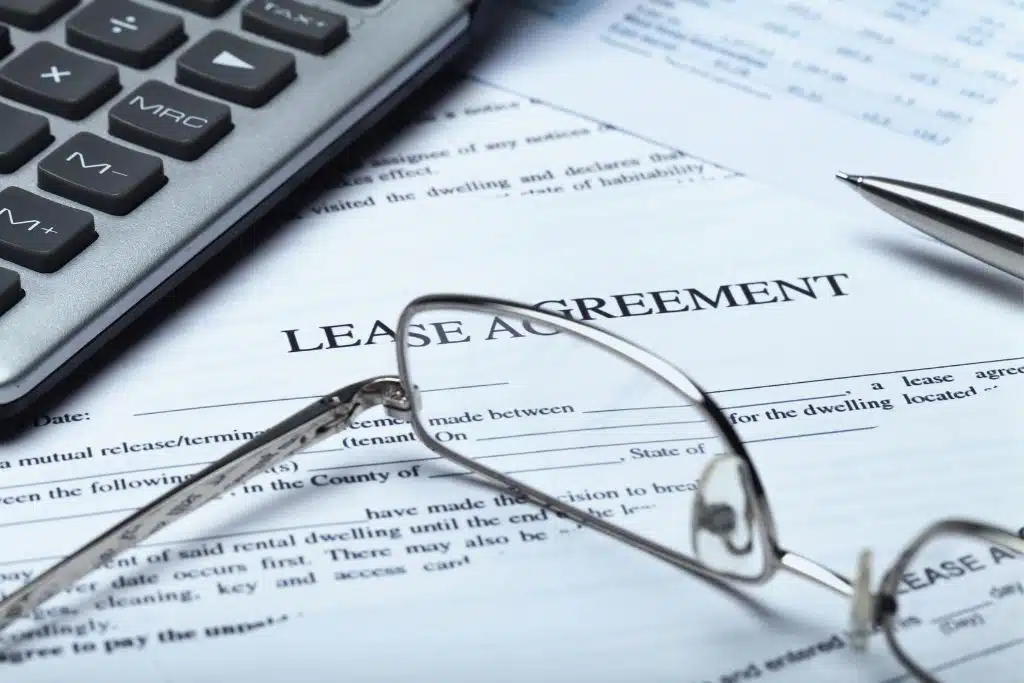
How to Read a Lease
Review lease terms, rent, deposits, repair rules, fees, renewal language, pet rules, and move-out expectations before you sign.
Read guide
How to Budget for Renting or Buying
Compare the full cost of renting and buying, including monthly payments, repairs, utilities, insurance, taxes, and savings needs.
Read guide
How to Deal with Landlords and Roommates
Use practical communication, written records, boundaries, and problem-solving steps when rental relationships get difficult.
Read guideWhy housing and renting decisions matter
A housing decision can look affordable on paper and still strain a household if the rest of the budget is too tight. Rent, mortgage payments, utilities, insurance, transportation, repairs, deposits, moving costs, and debt payments all compete for the same income.
The monthly payment is only part of the cost
A rent or mortgage payment may be the largest number, but deposits, fees, repairs, furniture, commuting, insurance, and utilities can change the real cost quickly.
Lease terms deserve careful reading
A lease can affect deposits, late fees, repairs, pets, guests, early move-out costs, renewals, and what happens when something goes wrong.
Mortgage readiness takes more than a credit check
Lenders may review income, debts, savings, documents, credit history, and other details. Approval, rates, terms, and closing timelines vary.
Good records can prevent bigger problems
Written communication, saved receipts, photos, repair requests, and clear roommate agreements can help keep small issues from becoming expensive ones.
Housing advice has to leave room for real life
Money Fit often sees that housing stress does not come from one line item. It builds when rent, mortgage payments, utilities, repairs, transportation, medical bills, credit card payments, family needs, and timing all crowd into the same month.
These guides are meant to help consumers slow the decision down before signing, applying, moving, or taking on a larger payment. Money Fit also provides HUD-approved housing counseling. Housing counseling can help you understand your options, prepare questions, review your budget, and identify possible next steps. Available options depend on your situation, lender, landlord, program rules, and local resources.
Helpful tools and next steps
Housing decisions are easier when you can see the full budget and know which questions to ask before the paperwork is signed.
Review the housing budget
If you need a clearer monthly plan, start with How to Budget before comparing rent, mortgage, utilities, debt payments, savings, and moving costs.
Use housing counseling when the decision is complex
Housing counseling may help you review your budget, prepare questions, and better understand rental or homebuying options.
Look at debt pressure before moving
If debt payments are making housing harder to manage, nonprofit credit counseling can help review income, expenses, debts, and possible next steps.
Explore more financial education
Money Fit’s financial education resources can help with budgeting, credit, saving, and planning before or after a housing change.
Help us make these housing resources more useful
Have a housing, renting, lease, mortgage, landlord, or roommate question we should address in a future guide? Send it to Money Fit so we can keep improving these resources for consumers, educators, and households trying to make careful decisions.
For help reviewing your personal housing budget or options, start with Money Fit’s housing counseling resources.
Frequently asked questions
Who should use these housing and renting guides?
These guides are for people who are saving for housing costs, renting an apartment, reviewing a lease, comparing renting and buying, preparing for a mortgage, or trying to handle landlord or roommate concerns.
Which housing guide should I read first?
If you are planning ahead, start with How to Save for a Down Payment. If you are renting, start with How to Read a Lease. If you are comparing options, start with How to Budget for Renting or Buying. If you are ready to pursue homeownership, start with How to Apply for a Mortgage.
How much should I save before renting or buying?
The right amount depends on the home, rental, location, lender, landlord, program rules, and your household budget. Renters may need deposits, moving costs, first month’s rent, utility setup costs, and emergency savings. Homebuyers may need a down payment, closing costs, inspections, moving costs, repairs, and cash reserves.
What should I look for in a lease agreement?
Review the rent amount, due date, deposit rules, lease term, renewal terms, late fees, repair responsibilities, pet rules, guest rules, utility responsibilities, move-out requirements, and any fees. Renter rights and landlord rules can vary by state and local law.
Is it better to rent or buy?
It depends on your budget, savings, debt, income stability, local housing costs, time horizon, repair tolerance, and personal goals. Renting may offer more flexibility, while buying may fit some households that are financially ready for the full cost of ownership.
Can Money Fit help with housing questions?
Money Fit provides HUD-approved housing counseling. Housing counseling can help you review your budget, prepare questions, and understand possible next steps. It does not guarantee mortgage approval, rental assistance, foreclosure prevention, or landlord cooperation.
Are these guides legal or mortgage advice?
No. These guides are for general financial education. For legal questions about leases, eviction, tenant rights, contracts, or disputes, speak with a qualified attorney or legal aid organization. For mortgage advice, compare lenders and ask questions before agreeing to terms.