

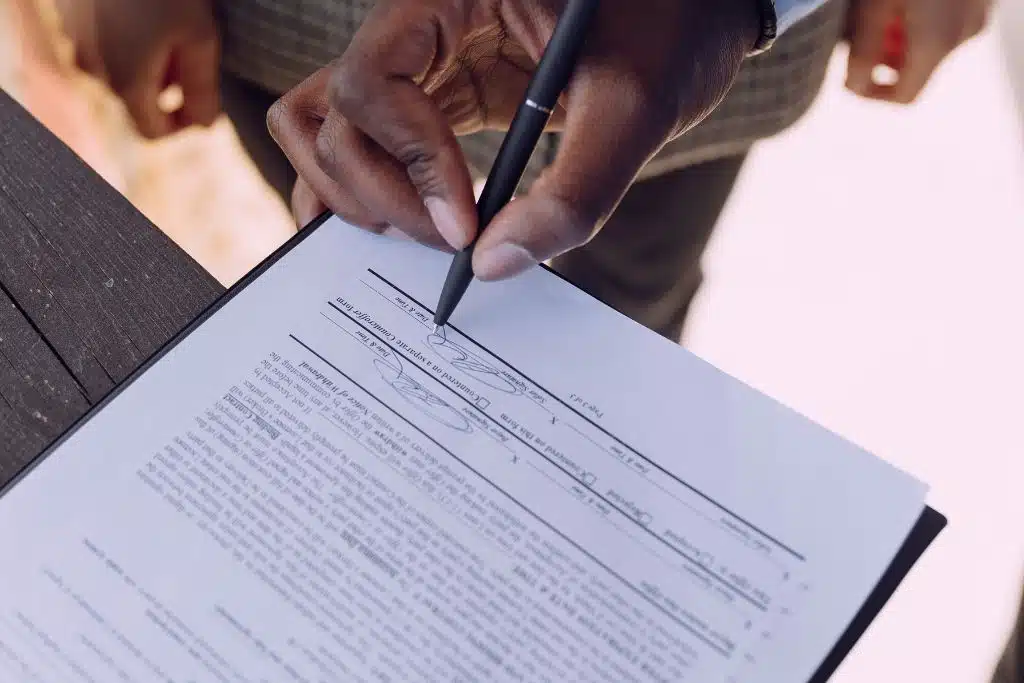
You have probably seen the pitch by now: cash from your home, no monthly payment, no interest, no traditional loan. A home equity agreement can sound like a clean way to unlock equity without adding another bill. For homeowners who feel boxed in, that kind of offer can be hard to ignore.
The problem is that no monthly payment is not the same as low cost, and it is definitely not the same as low risk. A home equity agreement delays the pain. It does not remove it. Before you sign one, you need a clear picture of what you are giving up, what you may owe later, and what other options deserve a fair look first.
What Is a Home Equity Agreement?
Cash Now, Share Later
A home equity agreement is a deal in which a company gives you a lump sum of cash today in exchange for a share of your home’s future value. Depending on the contract, that may mean a share of future appreciation, a claim tied to the home’s value at settlement, or both.
Unlike a HELOC or home equity loan, you usually do not make monthly principal and interest payments along the way. Instead, the agreement is settled later, often when you sell the home, refinance, or reach the end of the contract term. That is what makes the product feel easier on the front end and riskier on the back end.
Why “No Monthly Payment” Can Cost More Than It Sounds
1. The Payoff Usually Comes in One Big Lump
This is the part that matters most. A home equity agreement usually ends with a large payoff due all at once. That payoff may be triggered by the end of the term, the sale of the home, or another event spelled out in the contract.
If you want to stay in the home, that means you may need savings, a refinance, or another financing option later just to get out of the agreement. For many homeowners, that is a much harder problem than the ad makes it sound.
2. The Final Cost Is Often Hard to Predict
The amount you owe later is not usually just the cash you received. In many agreements, the company also gets a share of your home’s future appreciation or a payout shaped by formulas that are hard to understand at a glance.
That means the real cost may rise right along with your home’s value. With a standard loan, you can usually map out the payment schedule. With a home equity agreement, the final number can be much harder to see clearly upfront.
3. Fees Can Shrink What You Actually Receive
Upfront cash is not always the same as net cash in your pocket. Processing fees, appraisal charges, recording costs, and other closing-related expenses may be deducted from the proceeds.
So if the offer sounds like $50,000, the amount that actually reaches your bank account may be less. That matters when a homeowner is already under pressure and counting on every dollar.
Why Long-Term Homeowners Should Be Careful
Home equity is not just a number on paper. For many households, it is the reserve they expect to lean on later for retirement, a move, a medical issue, or simply stability. When you sign a home equity agreement, you are giving away part of that cushion.
This matters most for homeowners who plan to stay put. If you expect to remain in the home for years and home values rise, the settlement amount may take a serious bite out of the equity you spent years building. That can leave you with fewer choices when you want to refinance, downsize, help family, or age in place.
Older homeowners should be especially careful. A product that looks manageable at 62 can feel very different at 72, especially if income is tighter and refinancing is no easier than it is today.
When a Home Equity Agreement Might Make Sense
There are cases where a home equity agreement may be worth a hard look. If you cannot qualify for a HELOC, home equity loan, cash-out refinance, or affordable personal loan, and the cash is needed to avoid a more serious financial problem, this may be one of the few doors still open.
It can also be easier to justify if you already plan to sell within a relatively short window and you have run the numbers honestly. But that is a narrower use case than the marketing suggests. A home equity agreement is not a casual fix for a tight month or a tempting renovation budget.
What to Compare Before You Sign
HELOC
A home equity line of credit gives you a flexible borrowing line, usually with monthly payments and a variable rate. It can be less comfortable month to month, but the structure is far more familiar and transparent.
Home Equity Loan
A home equity loan gives you a lump sum with a fixed payment and a defined payoff schedule. That predictability matters, especially when you are trying to protect long-term housing stability.
Cash-Out Refinance
A cash-out refinance rolls equity into a new mortgage. It is not right for everyone, especially if your current mortgage rate is low, but it is still worth comparing side by side before moving toward a home equity agreement.
Reverse Mortgage
If you are 62 or older, a reverse mortgage may be worth reviewing before you sign a home equity agreement. Reverse mortgages are not simple and they are not for everyone, but they are more established, more standardized, and more heavily regulated than this newer market.
At minimum, slow the process down enough to compare total cost, trigger events, settlement terms, refinancing obstacles, and what happens if home values rise more than expected. That pause may save you from making an expensive decision under pressure.
Before You Sign Away Future Equity
Get a second set of eyes on the numbers.
A HUD-approved housing counselor can help you compare a home equity agreement with other options and think through the long-term tradeoffs before you commit. That is especially important when the product looks simple in the ad but gets complicated in the contract.
The real question is not just whether you can get the cash. It is what that cash may cost your future.