Money Fit How-to Guides
Banking How-to Guides
These guides help you understand everyday banking, including how to open an account, switch banks, avoid fees, use online and mobile banking, and handle ATMs and checks more safely.
Where to start
If you are new to banking, start with How to Open a Bank Account. If you already have an account but fees, service, or access no longer fit your needs, use How to Switch Banks and How to Avoid Bank Fees. If you mostly bank by phone, computer, ATM, or check, the digital and safety guides can help you avoid avoidable mistakes.
Good banking habits are not about using the fanciest account. They are about keeping your money accessible, protected, affordable, and organized enough to support the rest of your financial life.
Choose the guide that matches your banking question
Most everyday banking questions fall into three groups: opening or moving an account, reducing costs, or using banking tools safely.
I need to open or change accounts
Learn what to compare, what information may be needed, and how to move accounts without losing track of payments.
Open a bank accountI want to stop paying avoidable fees
Review common banking costs, including overdraft, maintenance, ATM, and low-balance fees.
Avoid bank feesI want to bank more safely
Use online banking, mobile tools, ATMs, deposits, and checks with a little more care and a little less guesswork.
Use online and mobile bankingBanking guide library
Use these guides as a sequence or choose the one that fits your current banking decision.

How to Open a Bank Account
Compare account options, gather the information you may need, and open a bank or credit union account with fewer surprises.
Read guide
How to Switch Banks
Move direct deposits, automatic payments, bill pay, and account balances in a careful order.
Read guide
How to Avoid Bank Fees
Understand common fees and how account choice, alerts, balances, and habits can reduce avoidable costs.
Read guide
How to Use Online & Mobile Banking
Use banking apps and online tools for balances, transfers, bill pay, alerts, deposits, and account monitoring.
Read guide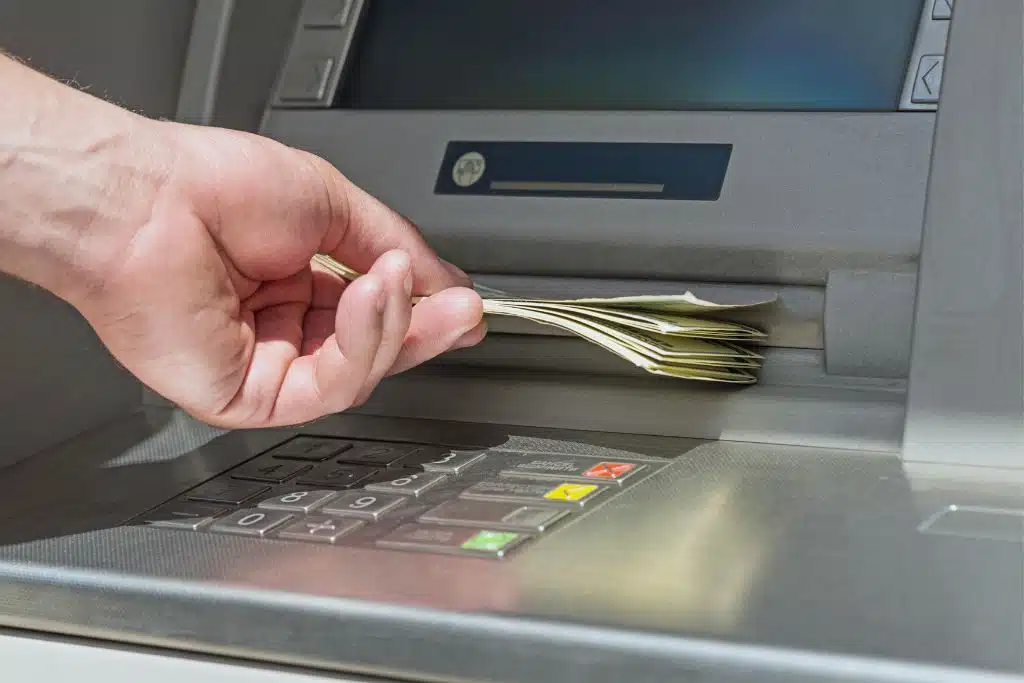
How to Use ATMs and Write Checks Safely
Learn basic precautions for ATM withdrawals, deposits, checks, account records, and possible fraud concerns.
Read guideBanking choices should support the whole budget
Money Fit often sees that a bank account can either support a household budget or quietly work against it. Monthly fees, overdrafts, delayed transfers, hard-to-find account rules, and missed automatic payments can make a tight month harder.
Banking is not separate from budgeting. The right account should help you receive income, pay bills, avoid unnecessary fees, protect savings, and monitor transactions without adding confusion.
Official sources worth knowing
These guides are designed to explain banking in plain language. For official consumer banking information, the following sources may also be useful.
CFPB bank account resources
The Consumer Financial Protection Bureau provides consumer tools and checklists for comparing and opening bank or credit union accounts.
FDIC deposit insurance
The FDIC explains deposit insurance for eligible accounts held at FDIC-insured banks, including checking and savings accounts.
NCUA share insurance
The NCUA explains share insurance for member accounts at federally insured credit unions.
FTC online security guidance
The Federal Trade Commission provides consumer guidance on online security, strong passwords, privacy, and avoiding scams.
Helpful tools and next steps
Banking decisions are easier when they fit your income, bills, savings goals, and debt payments.
Review your budget first
If account fees or overdrafts keep showing up, start with the How to Budget guide.
Get help if debt is crowding out the budget
If unsecured debt payments make it hard to keep a stable account balance, review nonprofit credit counseling or learn how debt management plans may work for eligible debts.
Help us make these banking resources more useful
Have a banking question or an idea for a guide we should add? Send it to Money Fit so we can keep improving these resources for consumers, educators, and households trying to manage money more carefully.
For help reviewing your personal budget or debt situation, start with a confidential review through Money Fit.
Frequently asked questions
Who should use these banking guides?
These guides are for people opening a first account, switching banks, trying to avoid fees, using online or mobile banking, or wanting to use ATMs and checks with more care.
What do I usually need to open a bank account?
Requirements vary by institution, but banks and credit unions generally need to verify your identity. You may need your name, date of birth, address, identification number, government-issued ID, and possibly an opening deposit.
Can I switch banks without missing a paycheck or payment?
Yes, if you move carefully. Update direct deposit, automatic payments, subscriptions, bill pay, and linked accounts before closing the old account. Keeping both accounts open briefly can reduce the chance of missed payments.
How can I avoid common bank fees?
Compare account fees before opening an account, use low-balance alerts, understand overdraft settings, meet minimum balance rules when practical, and review ATM, maintenance, transfer, and paper statement fees.
Is online or mobile banking safe?
Online and mobile banking can be used safely when you use strong passwords, enable multifactor authentication when available, avoid public Wi-Fi for sensitive banking, monitor account activity, and contact your bank quickly about suspicious transactions.
Can I still use ATMs and checks safely?
Yes. Use ATMs in safe, well-lit locations, protect your PIN, keep records of deposits and withdrawals, write checks carefully, and monitor your account so mistakes or suspicious activity are caught quickly.