Banking How-to Guide
How to Use ATMs and Write Checks Safely
ATMs and checks are still useful, but they require care. Protect your PIN, inspect the ATM before using it, keep records of withdrawals and deposits, fill out checks completely, and monitor your account so mistakes or suspicious activity are caught quickly.
Where to start
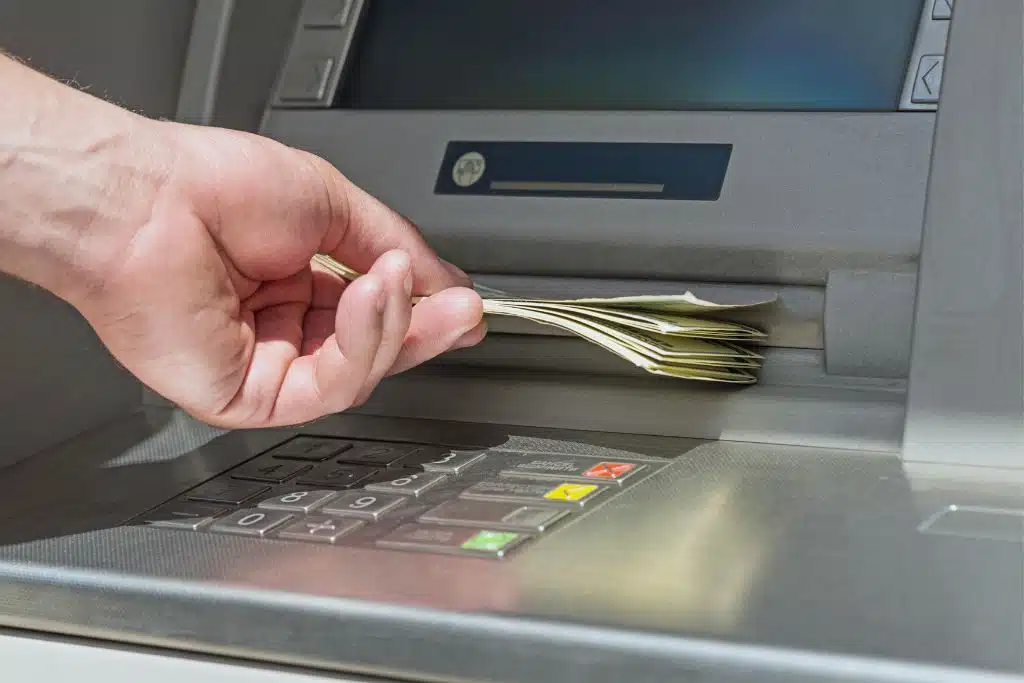
To use ATMs safely, choose a well-lit and familiar ATM when possible, inspect the card reader and keypad, shield your PIN, take your card and receipt, and review the transaction afterward. To write checks safely, use permanent ink, fill in every required field, avoid blank spaces, record the check, store unused checks securely, and monitor your account until the check clears.
The biggest risk is not that ATMs or checks are outdated. It is using them casually, without tracking the transaction or protecting the account information attached to them.
Quick facts about ATMs and checks
Safe use depends on protecting your card, PIN, account number, checkbook, and transaction records.
How to use ATMs and write checks safely step by step
Use ATMs and checks with the same care you would use with cash. The transaction may be quick, but the record matters.
-
Choose the safest payment or withdrawal method
Decide whether an ATM, check, debit card, online transfer, bill pay, or another method is the better fit. Use ATMs and checks when they make sense, not just because they are familiar.
-
Use a familiar or well-lit ATM when possible
Choose ATMs in safer, visible locations. Avoid machines that look damaged, altered, poorly maintained, or unusually isolated.
-
Inspect the ATM before inserting your card
Look for loose parts, odd attachments, damaged card slots, unusual keypads, or anything that looks added to the machine. If something seems wrong, use another ATM.
-
Shield your PIN and finish the transaction fully
Cover the keypad, take your card, collect your cash, and wait for the transaction to end before walking away. Keep or securely discard the receipt.
-
Write checks carefully and completely
Use permanent ink, write the correct date, payee, amount in numbers, amount in words, memo if useful, and signature. Draw a line through unused space on the amount line.
-
Record each ATM transaction and check
Track the date, amount, location or payee, check number, and purpose. Do not rely only on memory or the bank app balance.
-
Store cards, receipts, and checks securely
Keep unused checks and debit cards in a safe place. Shred old checks, receipts, or documents that show account information.
-
Monitor your account after the transaction
Review transactions regularly. Contact your bank or credit union quickly if an ATM deposit is missing, a check clears for the wrong amount, or you see activity you do not recognize.
ATM safety habits
ATM safety is part physical awareness and part account monitoring.
Check the machine
Avoid ATMs with loose card readers, odd attachments, blocked cameras, damaged keypads, or anything that looks unusual.
Protect your PIN
Stand close to the machine, cover the keypad, and do not let anyone help you enter your PIN.
Watch your surroundings
Use visible, well-lit locations when possible. If something feels off, cancel the transaction and leave.
Know the fee
Out-of-network ATMs may charge fees. Check whether your bank or credit union also charges its own fee.
Take records seriously
Save or securely discard receipts, and check the account afterward to confirm the amount and date.
Act quickly on problems
If the ATM keeps your card, does not dispense cash correctly, or records the wrong amount, contact the institution promptly.
How to write and handle checks safely
Checks carry routing and account information, so they should be treated as sensitive financial documents.
Fill the check completely
Include the date, payee, amount in numbers, amount in words, and signature. Avoid leaving blank spaces that could be altered.
Use a real payee name
Avoid writing checks to “cash” unless you understand the risk. A check made to cash can be used by whoever holds it.
Record the check immediately
Track the check number, date, payee, and amount in your register, budgeting app, spreadsheet, or account notes.
Store checks securely
Keep unused checks in a safe place and do not leave them in a car, open desk, shared space, or unsecured bag.
Watch for fake check scams
Fake check scams often involve someone sending a check, asking you to deposit it, and then asking you to send part of the money back or forward money to someone else. The check may appear to clear at first, but that does not always mean the check is good.
- Be cautious with checks from strangers. Especially if the person asks you to send money back, buy gift cards, pay a third party, or refund an “overpayment.”
- Do not rely only on funds showing as available. A bank may make funds available before a fake check is discovered.
- Question pressure and urgency. Scammers often want you to act before the check is found to be fake.
- Contact your bank if unsure. Use the bank’s official phone number or secure message system, not contact details supplied by the person who sent the check.
The FTC explains that fake checks can look like personal checks, business checks, cashier’s checks, money orders, or electronic checks, and that a fake may be discovered after funds first appear available. Review the FTC’s fake check scam guidance if a check seems suspicious.
Common mistakes to avoid
ATM and check problems often come from skipped records, rushed transactions, or trusting a payment before it is truly settled.
- Using an ATM that looks altered. If the card reader, keypad, or surrounding area looks unusual, use another machine.
- Not shielding your PIN. Cameras and people nearby may see more than you think.
- Leaving the ATM too quickly. Make sure you have your card, cash, and receipt, and that the session has ended.
- Writing checks with blank spaces. Fill in the check completely and draw a line through unused space.
- Forgetting to record checks. A check may clear days or weeks later, making the app balance look higher than it really is.
- Trusting a suspicious check because funds appear available. Available funds do not always mean the check is legitimate.
The old tools still need modern tracking
Money Fit often sees that people treat ATM withdrawals and checks differently from debit card transactions because they feel more physical and familiar. But the budget still has to account for them.
Cash disappears from the balance immediately, and checks may not clear right away. If you do not record both, the account balance can look safer than it is. That is when overdrafts, missed bills, and confusion are more likely.
Review the budget behind the account
If checks, ATM withdrawals, overdrafts, or unsecured debt payments are making it hard to keep a stable account balance, a Money Fit nonprofit credit counselor can help you review income, expenses, debts, and possible next steps.
Frequently asked questions
How do I use an ATM safely?
Use a well-lit or familiar ATM when possible, inspect the card reader and keypad, shield your PIN, avoid help from strangers, take your card and receipt, and review the account afterward.
Can I be charged a fee for using another bank’s ATM?
Yes. The ATM owner may charge a fee, and your own bank or credit union may also charge a separate fee. Check your account rules and ATM network before withdrawing cash.
How do I write a check correctly?
Write the date, payee, amount in numbers, amount in words, and signature. Use permanent ink, avoid blank spaces, and record the check number, payee, and amount.
Is it safe to write a check to cash?
A check made out to cash can be used by whoever holds it. Use a specific payee name whenever possible, and keep checks secure until they are delivered or deposited.
Can a check be fake even if the money appears in my account?
Yes. Funds may appear available before a fake check is discovered. Be especially cautious if someone asks you to deposit a check and send money back, buy gift cards, or forward money elsewhere.
What should I do if an ATM keeps my card or shows the wrong amount?
Contact your bank or credit union promptly using the official phone number or secure app message system. Record the ATM location, time, transaction amount, and any receipt or error message.

About the author
Rick Munster is Senior Manager of Compliance & Media at Money Fit, with more than two decades of experience in nonprofit credit counseling, financial education, compliance, and consumer-focused content. He also serves on the Board of Directors of the Financial Counseling Association of America.