The Money Fit Show · Season 1, Episode 17
Raise Your Voice for Financial Education
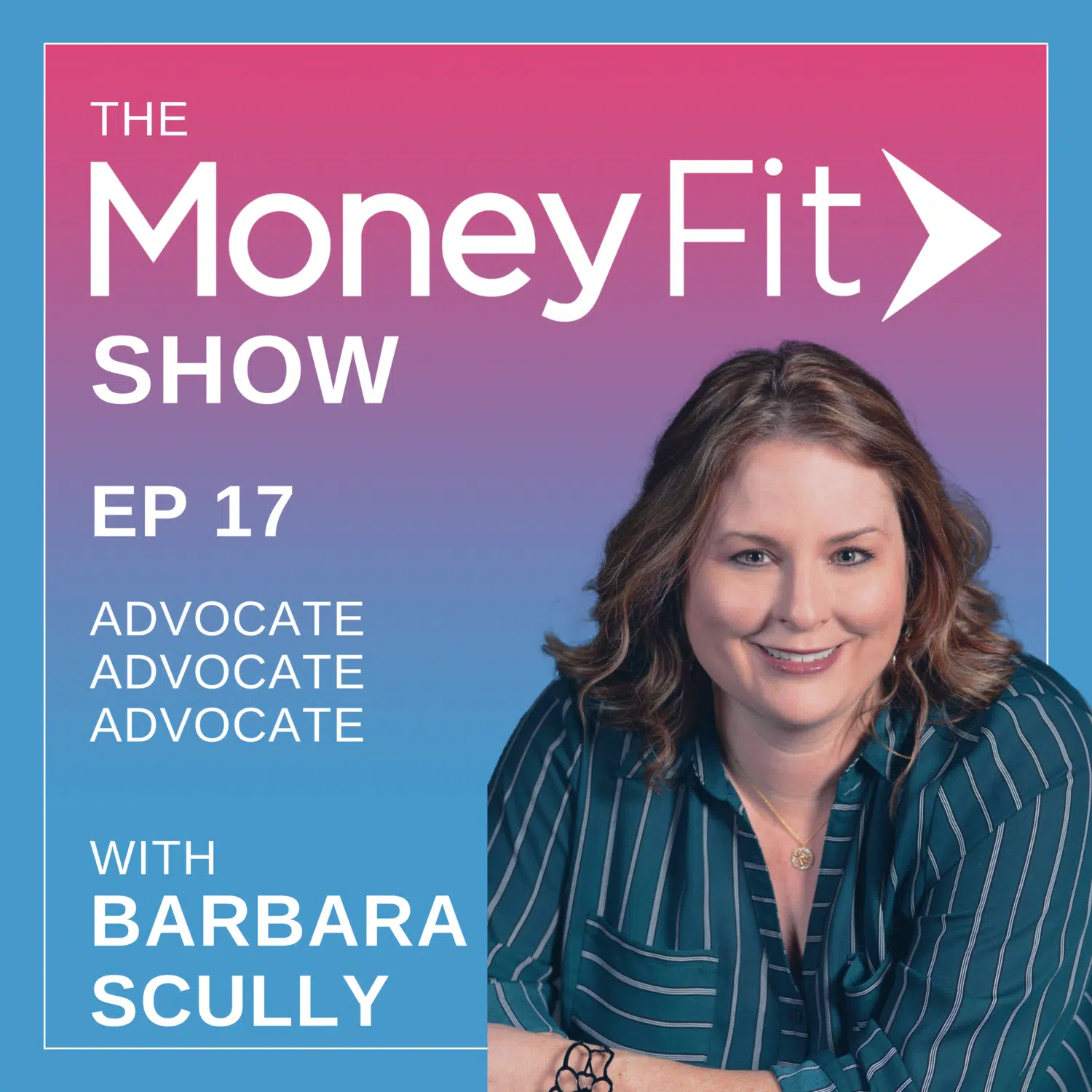
Home economics did not disappear. The field evolved into Family and Consumer Sciences, bringing practical education in personal finance, nutrition, child development, consumer skills, textiles, relationships, and other parts of everyday life into modern classrooms. Barbara Scully joins Todd Christensen to discuss what FCS looks like today and how families can support it in their schools.
Why practical life education still belongs in school
Play Season 1, Episode 17 directly through Spotify without leaving Money Fit.
Family and Consumer Sciences still teaches skills students use outside the classroom
Barbara Scully and Todd Christensen discuss what became of the classes many adults remember as home economics. Today, Family and Consumer Sciences can cover a much broader range of practical subjects, including money management, nutrition, child development, consumer decisions, relationships, career skills, and other parts of adult life.
The episode also looks at access. FCS offerings can vary from one school district to another, which means families may not always know whether courses exist locally or what those courses actually teach.
Barbara encourages parents, students, educators, and community members to learn what is available and to speak with their schools when they want practical life-skills education to remain part of the curriculum.
Topics covered in this episode
- What Family and Consumer Sciences includes and how the field grew from what many people remember as home economics.
- Why FCS course availability can differ between states, districts, and individual schools.
- How parents, students, and community members can ask local schools about Family and Consumer Sciences offerings.
- Barbara's personal story of how FCS education can introduce students to career paths they may not have considered otherwise.
- Organizations, professional associations, standards, and other resources that support FCS educators and programs.
Financial education works better when students can use it
Personal finance is not only about learning definitions. Students eventually have to compare choices, manage limited resources, understand financial products, plan expenses, and make decisions without a teacher beside them. Practical courses can help connect financial concepts with situations students will encounter in everyday life.
Family and Consumer Sciences organizations
The organizations referenced in the original episode remain active resources for Family and Consumer Sciences educators, programs, standards, and professional development.
Barbara Scully
Barbara Scully joined Todd Christensen as a Family and Consumer Sciences educator and the host of Connect FCS Ed.
Her work focuses on supporting FCS educators and strengthening awareness of the practical skills taught through Family and Consumer Sciences. The conversation with Todd examines both the classroom value of FCS and the role families and communities can play in supporting these programs.